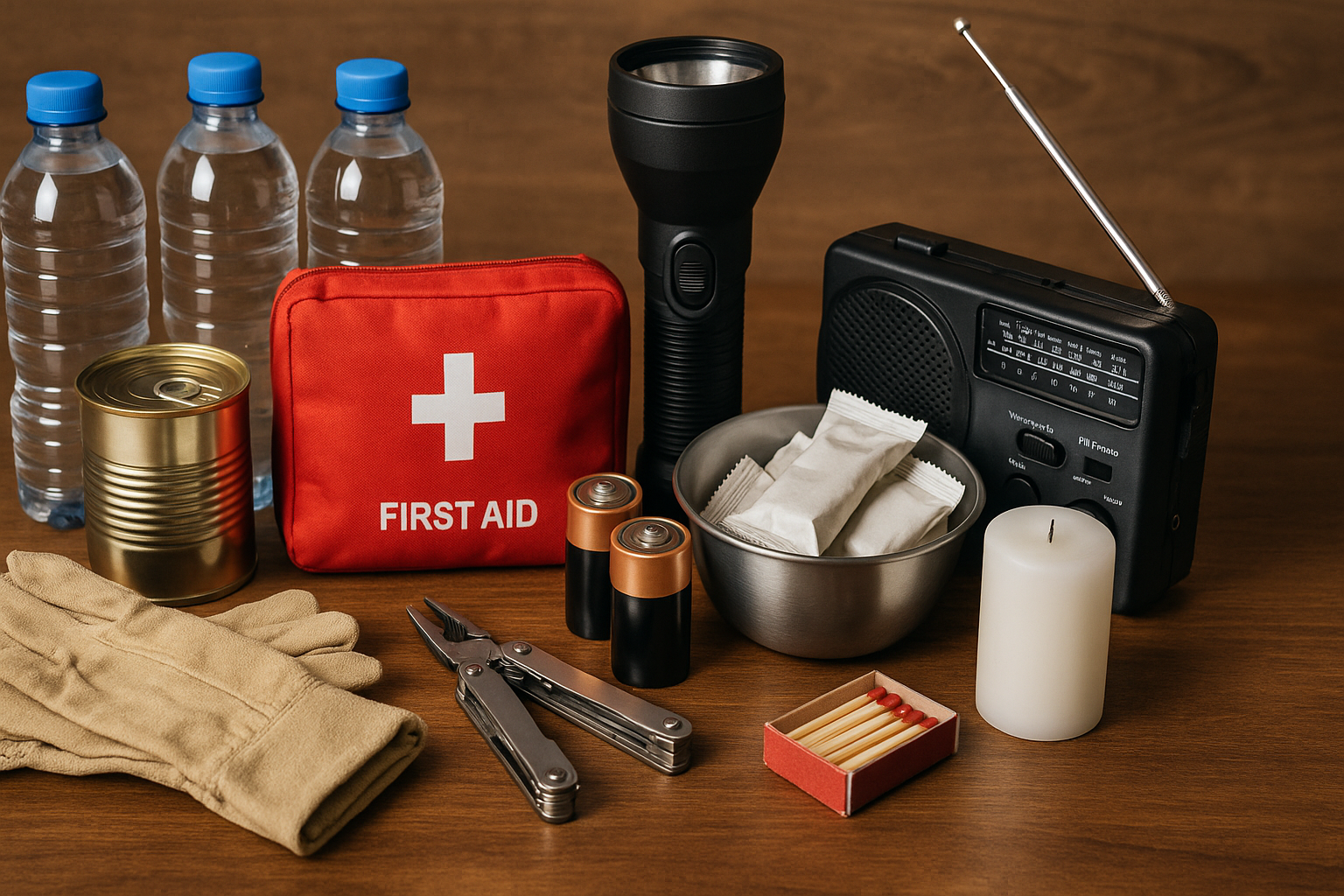
A well-stocked home emergency supply kit can make power outages, severe weather, evacuation orders, and other unexpected events easier to manage. The goal is not to prepare for every possible scenario. Instead, focus on versatile supplies that meet basic needs when utilities, stores, transportation, or communication systems are temporarily unavailable.
Store your main kit in a cool, dry, easy-to-reach location known to everyone in the household. Use sturdy containers, backpacks, or lidded plastic bins, and customize the contents for your family, climate, pets, and local risks. The following 12 essential categories provide a practical foundation.
1. Drinking Water
Safe drinking water should be one of your highest priorities. Keep a supply of commercially bottled water or water stored in clean, food-grade containers. Plan for drinking, basic food preparation, and limited hygiene. Households in hot climates, nursing parents, children, older adults, and people who are ill may need additional water.
Check stored water regularly for leaks, damaged containers, and manufacturer expiration or replacement guidance. If you include a portable water filter or purification product, make sure it is intended for the types of contaminants you may encounter, and follow the instructions carefully.
2. Shelf-Stable Food
Choose foods that can be eaten without refrigeration and require little or no cooking. Useful options include canned beans, vegetables, fruit, fish, and meat; nut or seed butters; crackers; shelf-stable milk; dried fruit; ready-to-eat meals; and familiar snack foods.
Consider allergies, dietary needs, cultural preferences, and foods that household members will actually eat. Avoid relying entirely on salty foods because they can increase thirst. Rotate emergency food into your regular meals before it expires, replacing each item as it is used.
3. Manual Can Opener and Eating Supplies
Canned food is not helpful if you cannot open it during a power outage. Add a durable manual can opener and test it before storing it. Include reusable or disposable plates, cups, utensils, paper towels, and a small cutting tool if needed.
If your food plan includes cooking, select a cooking method designed for emergency use and learn how to use it safely. Never operate charcoal grills, camp stoves, generators, or other fuel-burning equipment indoors or in enclosed spaces because they can produce dangerous carbon monoxide.
4. First Aid Kit
A basic first aid kit can help you handle minor cuts, scrapes, burns, and sprains until additional care is available. Include adhesive bandages in several sizes, sterile gauze, medical tape, antiseptic wipes, disposable gloves, tweezers, scissors, a cold pack, and a first aid guide.
Review the kit periodically and replace opened, damaged, or expired products. Consider taking a recognized first aid and CPR course so you know how to use the supplies. A kit is most useful when paired with practical training.
5. Medications and Personal Health Supplies
Set aside necessary prescription medications when permitted by your healthcare provider, pharmacy, insurance plan, and local rules. Keep a written medication list that includes medication names, dosages, prescribing providers, allergies, and pharmacy contact information. Do not store medication under conditions that conflict with label instructions, especially if it requires refrigeration.
Add commonly used personal supplies such as eyeglasses, contact lens products, hearing aid batteries, mobility device accessories, menstrual products, incontinence supplies, and infant care items. Check expiration dates and update these items as household needs change.
6. Flashlights and Backup Lighting
Every household member should be able to reach a reliable flashlight. LED flashlights and headlamps are practical because they provide light while conserving battery power. Headlamps are especially useful when cooking, making repairs, or helping another person in the dark.
Store compatible spare batteries separately and inspect them for corrosion. Battery-powered lanterns can illuminate a room more safely than candles. If you use candles, keep them away from children, pets, curtains, bedding, and other flammable materials, and never leave them unattended.
7. Emergency Radio
A battery-powered or hand-crank radio can provide weather alerts and official instructions when internet service or cellular networks are unavailable. Choose a model that receives local broadcast stations and relevant emergency weather channels in your area.
Learn which local stations share emergency information before a crisis occurs. Keep written tuning instructions with the radio, along with spare batteries if the model requires them. Test the radio during routine kit inspections.
8. Backup Power and Charging Equipment
Keep charged power banks, device cables, wall chargers, and a vehicle charger together in your kit. Label unfamiliar cables so family members can quickly match them to the correct devices. Recharge power banks on a regular schedule rather than assuming they are ready to use.
A larger portable power station may be useful for some households, but you should understand its capacity, charging requirements, and limitations in advance. Generators must always be operated outdoors at a safe distance from doors, windows, and vents, in accordance with the manufacturer’s directions.
9. Sanitation and Hygiene Supplies
Utility disruptions can make normal washing and sanitation difficult. Pack soap, hand sanitizer, moist wipes, toilet paper, tissues, toothbrushes, toothpaste, trash bags, and personal hygiene products. Include heavy-duty plastic bags and ties for isolating wet or contaminated waste.
Households may also benefit from a bucket with a secure lid, disposable liners, and an appropriate emergency toilet setup. Store cleaning products in their original labeled containers, and never mix household chemicals unless the product directions specifically state that it is safe to do so.
10. Clothing, Blankets, and Weather Protection
Pack seasonally appropriate clothing, sturdy shoes, extra socks, work gloves, rain gear, and blankets or sleeping bags. Even when sheltering at home, heating or cooling systems may not work during a utility outage.
Use waterproof bags to protect clothing from leaks and moisture. Review clothing sizes regularly for growing children. In regions with severe winters, extreme heat, wildfires, or frequent storms, adjust this category to match likely conditions and local emergency recommendations.
11. Basic Tools and Safety Gear
A small collection of tools can solve many practical problems. Consider a multipurpose tool, adjustable wrench, pliers, screwdrivers, duct tape, utility knife, rope, plastic sheeting, whistle, dust masks, safety glasses, and durable work gloves.
Know where your home’s utility controls are located, and learn the correct shutoff procedures from your utility provider. Do not turn off the gas unless authorities or the utility company advise you to do so or there is a clear emergency requiring action. Keep an appropriate fire extinguisher accessible, and learn how to use it before it is needed.
12. Important Documents, Contacts, Maps, and Cash
Place copies of identification, insurance information, medical details, property records, emergency contacts, and pet records in a waterproof pouch. Digital backups can also be useful, but important information should not be available only on a phone or through an online account.
Add printed local maps, evacuation routes, meeting locations, and contact details for schools, caregivers, utility companies, and out-of-area relatives. Keep a modest amount of cash in small denominations because card readers and ATMs may not work during a power or network outage.
How to Maintain Your Emergency Supply Kit
An emergency kit should be maintained rather than packed once and forgotten. Set a recurring reminder to inspect it. Check food, water, batteries, medications, chargers, clothing sizes, and important documents. Replace damaged or expired items, and update the kit after a move, new diagnosis, household change, or major seasonal shift.
Consider keeping smaller kits in vehicles or at work, but do not leave temperature-sensitive items where heat or freezing conditions may damage them. If evacuation is possible, organize critical supplies in portable containers that household members can safely carry.
Finally, pair your supplies with a simple household emergency plan. Decide how you will communicate, where you will meet, who will help children or pets, and how you will respond to local hazards. A thoughtful kit combined with a practiced plan can help your household make calmer, safer decisions when normal routines are disrupted.